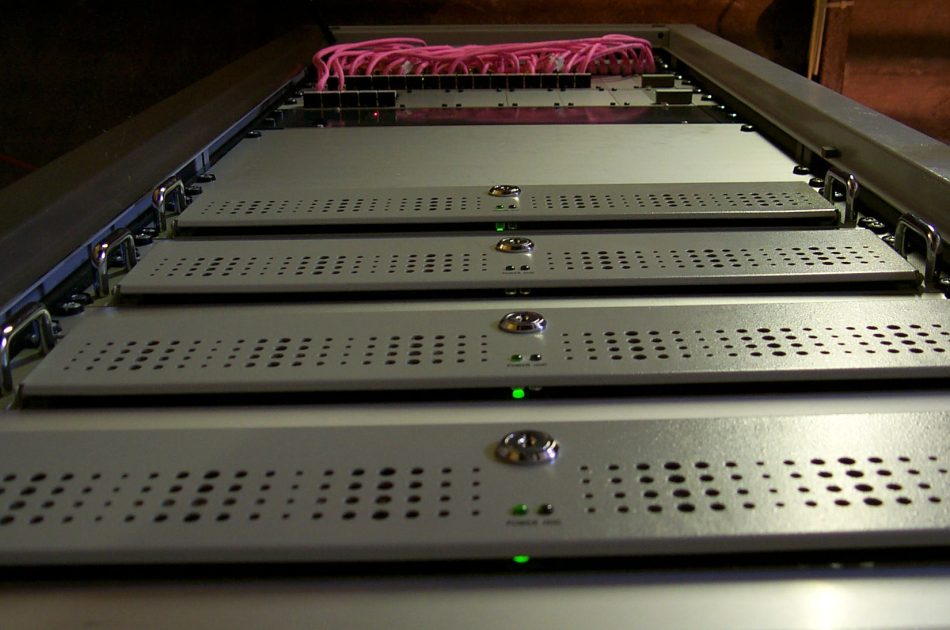
The Evolution of Edge Vision Systems
This article reviews two production sports-tracking systems from the early 2000s as practical examples of classic computer vision deployed at scale in complex outdoor conditions. Now that confidentiality constraints have expired, I provide a detailed technical walkthrough focusing on real-time reliability, low-bandwidth distribution, and operating on minimal FLOPS – and how those constraints still inform edge architectures today. The article also draws out lessons for modern edge deployments, where latency, power, cost, and operational risk remain as intertwined as ever. Continue reading→
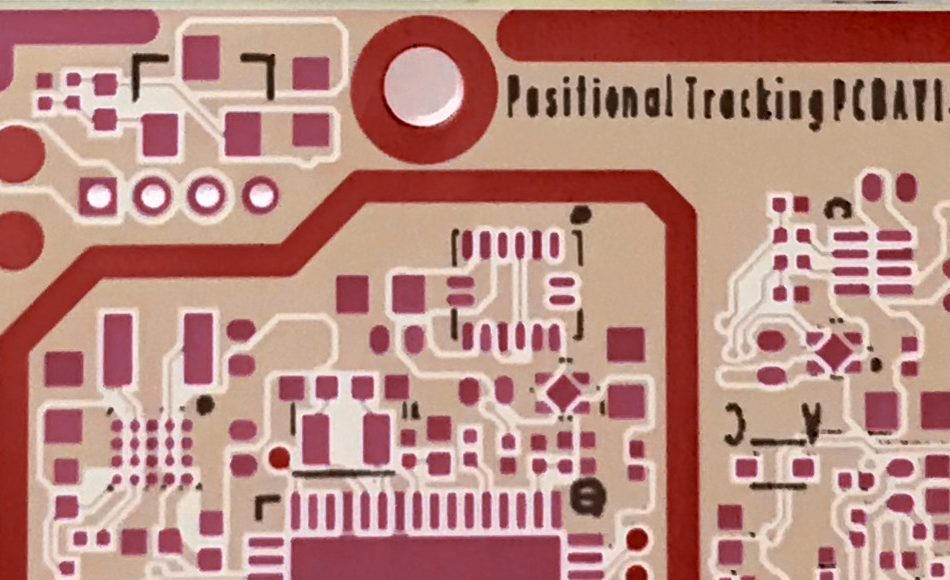
Top 5 Lessons from 20+ Years of Computer Vision
Across over two decades of delivery work, I’ve found that computer vision success is rarely decided by the model alone. This piece captures five lessons that consistently surface when prototypes become products: defining measurable targets, building a trustworthy data/ground-truth pipeline, and making explicit trade-offs across accuracy, latency, compute, and cost. It also highlights common failure patterns – environmental variation, drift, and wrong assumptions – and how to design for them. The emphasis is on repeatable execution and reliability in production. Continue reading→