The Evolution of Edge Vision Systems

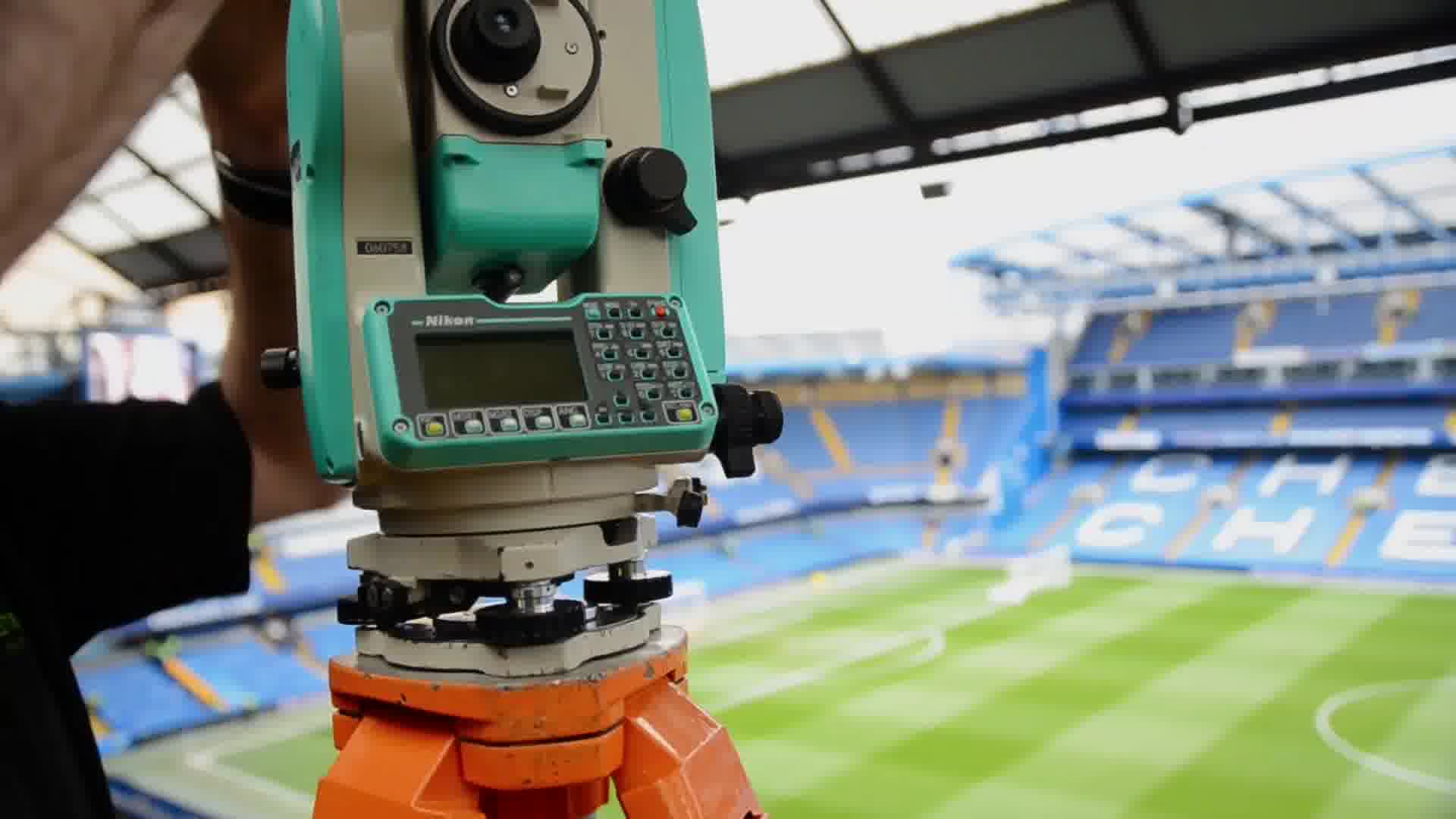
This article reviews two production sports-tracking systems from the early 2000s as practical examples of classic computer vision deployed at scale in complex outdoor conditions. Now that confidentiality constraints have expired, I provide a detailed technical walkthrough focusing on real-time reliability, low-bandwidth distribution, and operating on minimal FLOPS - and how those constraints still inform edge architectures today. The article also draws out lessons for modern edge deployments, where latency, power, cost, and operational risk remain as intertwined as ever.Continue reading

Go Fast or Go Home – The Art of Scaling Technical Startups

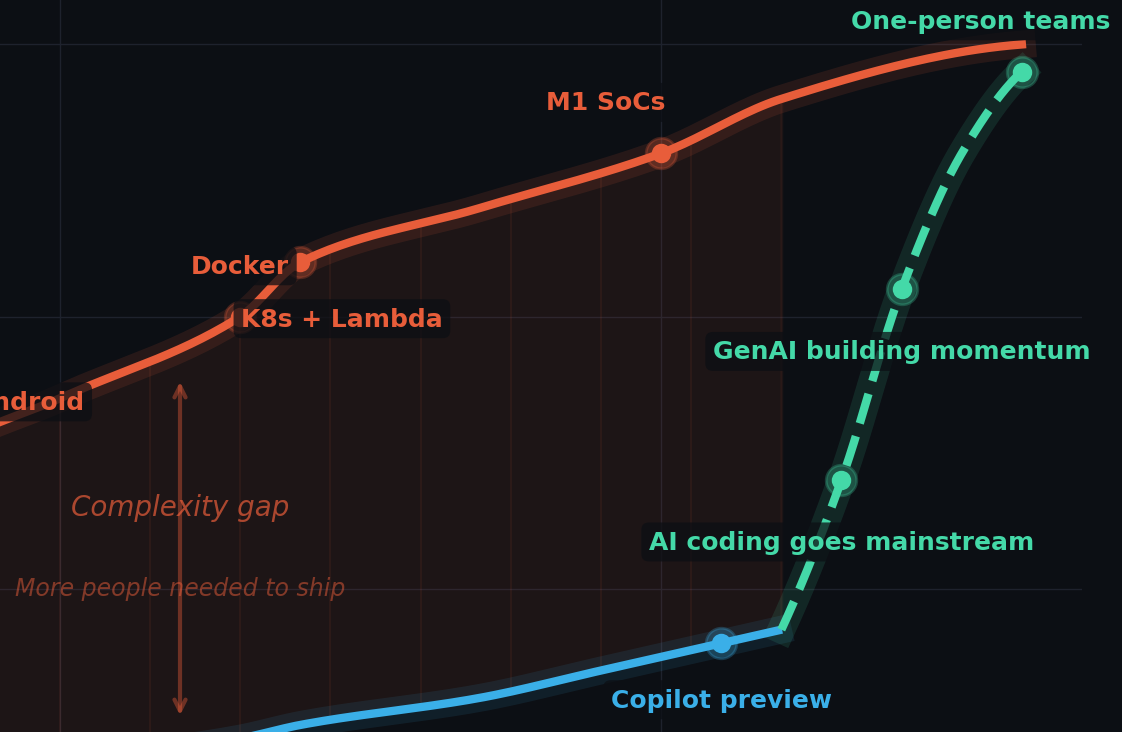
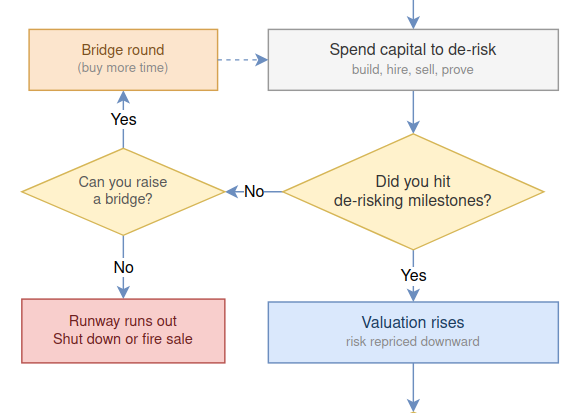
Updated: 31 January 2026 Much of my career has revolved around growing engineering-led startups into self-sustaining organisations – without losing the thing that made them special: speed. This is a practitioner’s view of the technical transitions that define a company’s first few critical years. The shifting technical landscape In the 1980s and 90s, one-person software...Continue reading

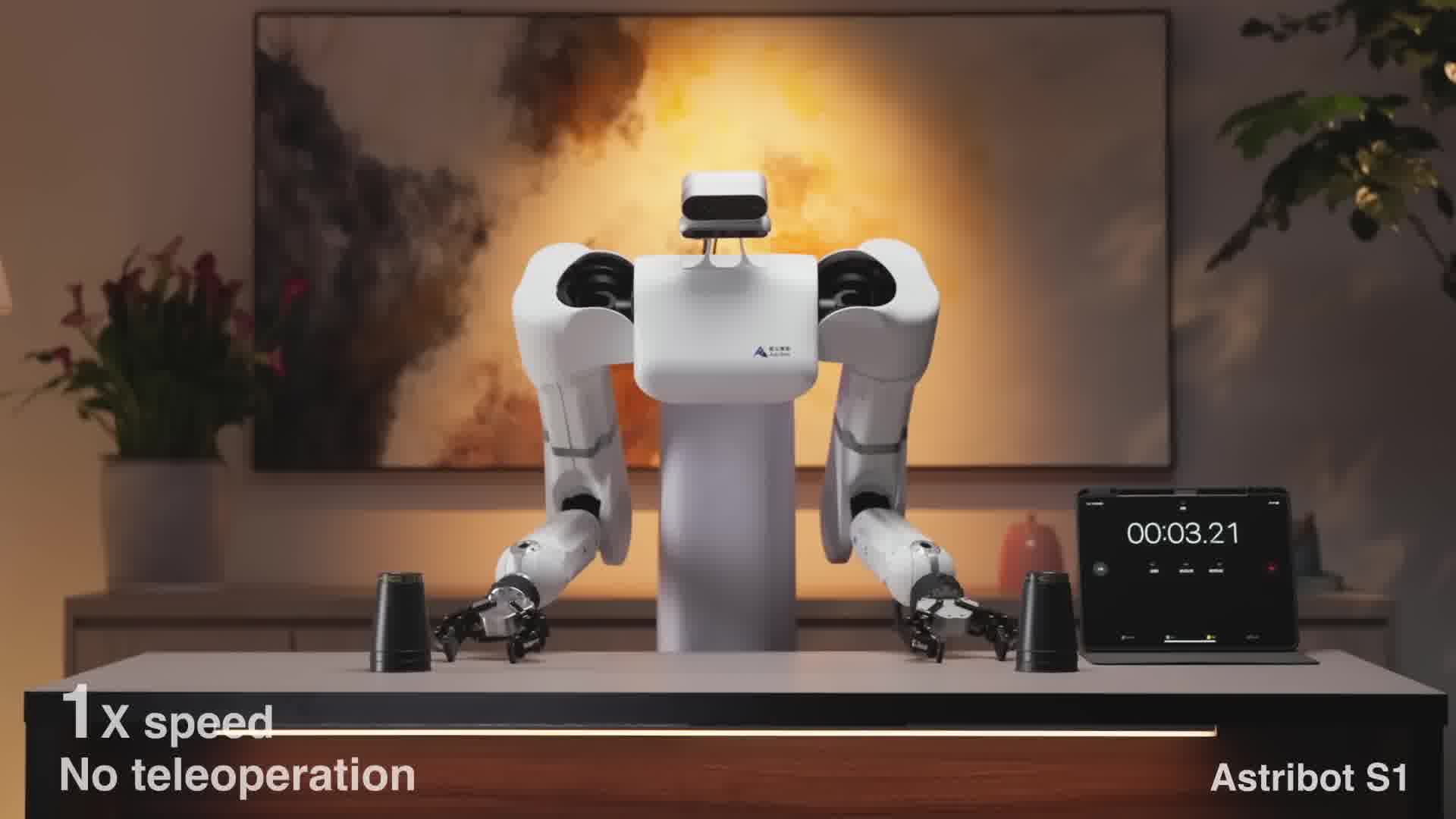
Astribot S1 – When the Demo Misrepresents Capability

At the end of April 2024 came yet another announcement in autonomous robotics: the Astribot S1. Almost immediately, feeds filled with posts claiming it was nothing short of a technical breakthrough that would transform our kitchens. In this post I explain why I believe it's at best a prototype with little autonomous or genuine real-world capability, and unfit for safe operation around humans.Continue reading

Top 5 Lessons from 20+ Years of Computer Vision

Across over two decades of delivery work, I’ve found that computer vision success is rarely decided by the model alone. This piece captures five lessons that consistently surface when prototypes become products: defining measurable targets, building a trustworthy data/ground-truth pipeline, and making explicit trade-offs across accuracy, latency, compute, and cost. It also highlights common failure patterns - environmental variation, drift, and wrong assumptions - and how to design for them. The emphasis is on repeatable execution and reliability in production.Continue reading

Mr. Robot and EFnet: The day a TV show enacted a scene on our IRC server (2016)

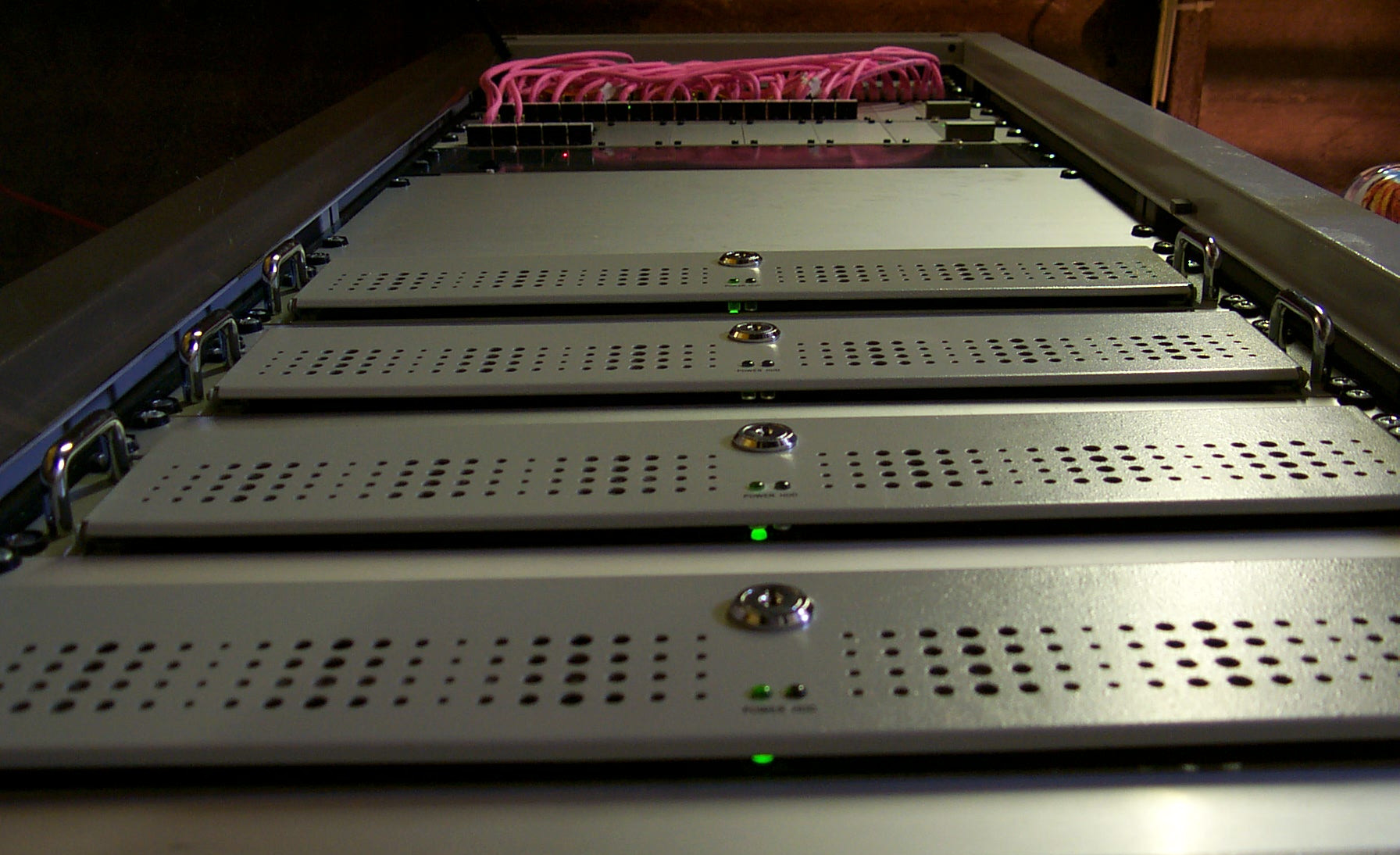
In 2015-2019 a techno-thriller TV show called Mr. Robot was airing, with plot themes which gravitated around Internet underground subcultures. My spouse and I had enjoyed the show partly because of its authentic portrayal of information technology and we were avid viewers. In its second season the show had a short scene where two of the main characters arranged to communicate over IRC, and - you guessed it - the show replicated our real-world server for the shoot!Continue reading

Scroll to top